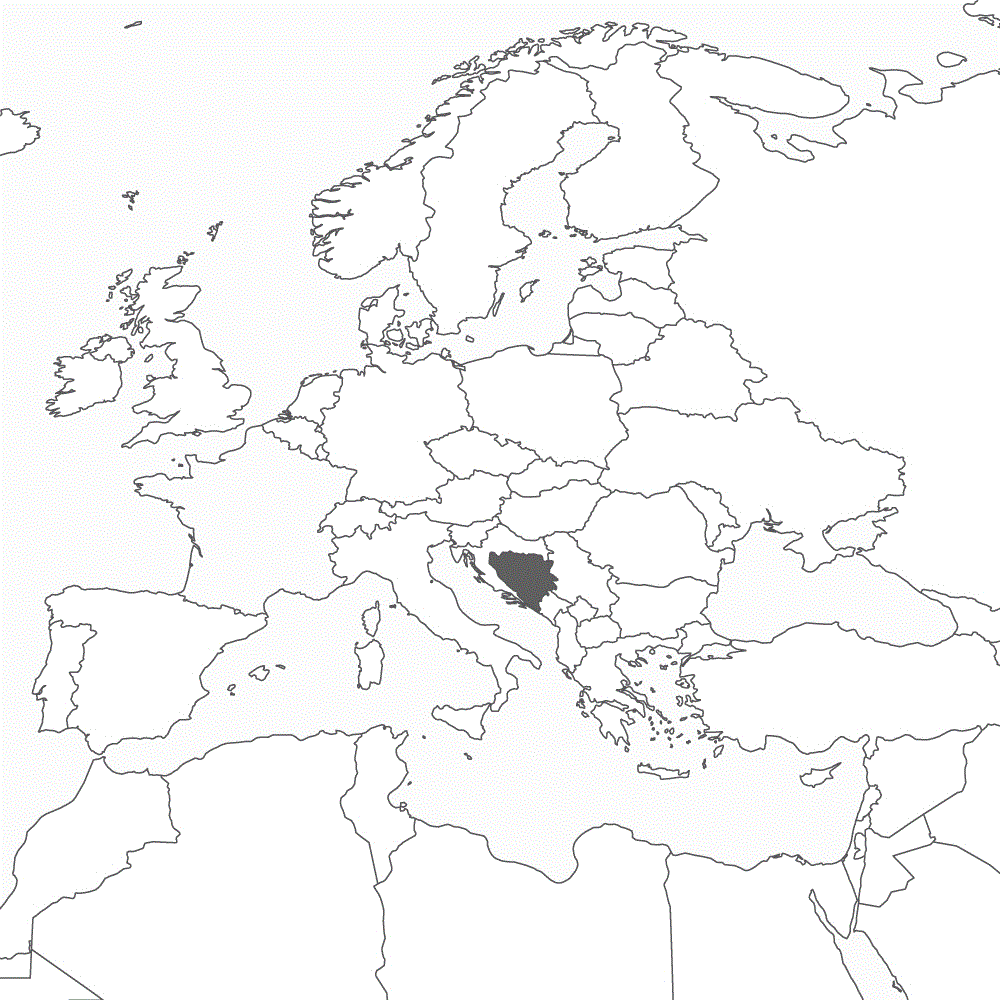
Kampf um Bosnien-Herzegowina
Der deutsche Hohe Repräsentant für Bosnien-Herzegowina, Christian Schmidt, kündigt seinen Rücktritt an. Hintergrund sind Machtkämpfe mit der Trump-Administration, deren Umfeld Gas- und Rohstoffgeschäfte in dem Land wittert.
BERLIN/SARAJEVO/WASHINGTON (Eigener Bericht) – Der deutsche Hohe Repräsentant für Bosnien und Herzegowina, Christian Schmidt (CSU), wird sein Amt aufgeben. Dies teilte Schmidt am Sonntag informell der Frankfurter Allgemeinen Zeitung mit. Am heutigen Dienstag will er seine Entscheidung auch offiziell bei den Vereinten Nationen bekanntgeben. Schmidt war in Sarajevo von Anfang an auf Widerstand gestoßen – zum einen, weil er eine gewisse Nähe zu kroatischen Nationalisten erkennen ließ, zum anderen, weil er als erster Hoher Repräsentant ohne die traditionell stets eingeholte Zustimmung Russlands in sein Amt gelangt war. Zudem übte er sein Amt unter fleißigem Rückgriff auf Eingriffsrechte aus, die keinerlei demokratische Legitimation haben; seine Maßnahmen wurden weithin als koloniale Interventionen eines fremden Statthalters empfunden. Nun hat ihn jedoch die Trump-Administration ausgebootet. Trump und sein Umfeld verfolgen in Bosnien-Herzegowina Geschäftsinteressen auf dem Gas- und dem Rohstoffsektor und tun das in enger Kooperation mit Schmidts Erzfeind Milorad Dodik, dem starken Mann der Republika Srpska. Dodik ist vor kurzem in Washington empfangen worden; er intensiviert die Kooperation mit Trump und mit dessen Clan.
Von Anfang an umstritten
Christian Schmidt, ehemals Parlamentarischer Staatssekretär im Verteidigungsministerium, dann Landwirtschaftsminister, war im Amt des Hohen Repräsentanten für Bosnien und Herzegowina, das er am 1. August 2021 antrat, von Anfang an stark umstritten. Das lag zum einen daran, dass er eine Nähe zu kroatischen Nationalisten erkennen ließ, was seinem Ansehen weder bei den bosnischen Muslimen noch bei den bosnischen Serben besonders zuträglich war. Zum anderen war er ohne die Zustimmung Russlands auf den Posten gelangt. Zuvor war es üblich gewesen, stets darauf zu achten, dass der UN-Sicherheitsrat hinter der Person des Hohen Repräsentanten stand; dies sollte ihm internationale Legitimität verschaffen. Weil damals die Spannungen zwischen dem Westen und Russland aber deutlich zunahmen, zogen die westlichen Staaten es vor, ihren Kandidaten gegen Moskau durchzusetzen, anstatt einer Suche nach einem gemeinsamen Repräsentanten den Vorzug zu geben. Dies war ein weiterer Grund, weshalb Schmidt von Anfang an die bosnischen Serben und deren Republika Srpska gegen sich hatte: Sie stehen Russland vergleichsweise nahe.
Die Bonner Befugnisse
Schmidt ging, kaum im Amt, dazu über, wenig populäre Maßnahmen durchzusetzen und in diesem Zusammenhang auch stark auf die sogenannten Bonner Befugnisse zurückzugreifen – weitreichende Kompetenzen, die dem Hohen Repräsentanten auf einer internationalen Konferenz im Dezember 1997 in Bonn verliehen worden waren und die es ihm ermöglichen, nach Gutdünken Dekrete zu verhängen und Personen aus ihren Ämtern zu entlassen, wenn dies seiner Auffassung nach der Einhaltung des Abkommens von Dayton aus dem Jahr 1995 dient. Auf diesem basiert der Staat Bosnien-Herzegowina heute. So setzte Schmidt etwa per Dekret eine Wahlrechtsreform durch, die einseitig die kroatisch-nationalistische Partei HDZ begünstigte. Schmidt gab die Maßnahme am 2. Oktober 2022 bekannt, dem Tag, an dem in Bosnien-Herzegowina Wahlen durchgeführt wurden; er tat dies knapp eine Stunde nach Schließung der Wahllokale, was zur Folge hatte, dass das Resultat der Wahl nach Kriterien errechnet wurde, die sich von denjenigen, von denen die Wähler bei ihrer Stimmabgabe ausgingen, recht deutlich unterschieden (german-foreign-policy.com berichtete [1]).
Schmidt vs Dodik
Hinzu kam, dass Schmidt in eine offene Konfrontation mit der Republika Srpska und ihrem Präsidenten Milorad Dodik (2010 bis 2018, 2022 bis 2025) geriet. Dodik steht Russlands Präsident Wladimir Putin nahe; er orientierte mit seiner Politik zudem auf zumindest größere Autonomie für seinen Landesteil, womöglich gar auf eine Abspaltung von Bosnien-Herzegowina. Streit entzündete sich unter anderem daran, dass drei der neun Richter am Verfassungsgericht des Gesamtstaates vom Europäischen Gerichtshof für Menschenrechte in Strasbourg ernannt werden; Dodik wandte sich gegen die ausländische Kontrolle und setzte sich dafür ein, das Verfassungsgericht ausschließlich mit Richtern aus Bosnien-Herzegowina zu besetzen.[2] Der Streit, der vor allem zwischen Dodik und Schmidt ausgetragen wurde, eskalierte heftig und mündete unter anderem in Schmidts Versuch, Dodik festnehmen zu lassen, was von Gendarmen der Republika Srpska unter Androhung von Gewalt unterbunden wurde. Der Konflikt konnte erst im Herbst 2025 beigelegt werden – dies auf Initiative der Trump-Administration.
Geschäftsinteressen der Trump-Clique
Die Trump-Administration folgt in Bosnien-Herzegowina offenkundig eigenen materiellen Interessen. Das Land wird bislang über die Pipeline TurkStream mit Erdgas aus Russland versorgt. Washington setzt sich dafür ein, das russische Gas durch US-Flüssiggas zu ersetzen, das über ein Terminal auf der kroatischen Insel Krk angeliefert wird. Von dort soll nun eine Pipeline gebaut werden, die das Gas weiter nach Bosnien-Herzegowina transportiert. Geplant ist es, die Pipeline von den US-Firmen Bechtel und AAFS Infrastructure and Energy bauen zu lassen; Letztere wird von einem ehemaligen Anwalt von Trump, Jesse Binnall, sowie von Joseph Flynn geführt, dem Bruder des einstigen Trump-Sicherheitsberaters Michael Flynn.[3] Beobachter bezweifeln, dass das Vorhaben sinnvoll ist, da Bosnien-Herzegowina nur sehr wenig Erdgas verbraucht und darüber hinaus auf erneuerbare Energien umstellen will. Dodik scheint jedoch bereit, das Vorhaben zumindest in der Republika Srpska zu unterstützen, wo die Pipeline ebenfalls hinführen soll und wo die US-Botschaft zudem seit geraumer Zeit Interesse an Rohstoffvorkommen geäußert hat.
Clan trifft Clan
Die Trump-Administration hat nun im Herbst vergangenen Jahres einen Deal mit Dodik geschlossen, dem zufolge dieser seinen Konflikt mit Schmidt beilegt. Im Gegenzug haben die USA ihn und ihm nahestehende Geschäftsleute von US-Sanktionslisten entfernt. Dodik ist im Februar von Kongressabgeordneten der Republikaner und von US-Kriegsminister Pete Hegseth in Washington empfangen worden. Anfang April reiste US-Präsidentensohn Donald Trump Jr. in die Hauptstadt der Republika Srpska, Banja Luka, wo er Geschäfte anzubahnen versuchte und insbesondere mit Dodiks Sohn Igor Dodik zusammenkam.[4] Die Beziehungen zwischen den Clans von Trump und Dodik und den sie umgebenden Cliquen verdichten sich. Laut Berichten wünschte Milorad Dodik dabei, dass sein Erzfeind Schmidt gefeuert werde.
Washington vs Berlin
Schmidt erlebt bereits seit dem vergangenen Jahr, dass er in Sarajevo systematisch von der Trump-Administration ausgebootet wird. Gerüchte, er werde zurücktreten, halten sich schon seit Monaten. Am Sonntag hat Schmidt mitgeteilt, er gebe sein Amt auf. Berichten zufolge hat die Trump-Administration inzwischen einen Nachfolger im Blick, von dem es heißt, er sei aus US-Sicht „pflegeleichter“.[5] Er müsste allerdings, bleibt es beim bisher üblichen Modus, von dem mit Bosnien-Herzegowina befassten Friedensimplementationsrat gewählt werden. Diesem gehören 55 Staaten und internationale Organisationen an, darunter zahlreiche EU-Mitglieder und die EU selbst; erhält der US-Kandidat deren Stimmen nicht, wird es schwierig für die Trump-Administration, ihn in Sarajevo zu installieren. Allerdings könnte sie jederzeit neue Zölle erheben oder anderweitig Druck ausüben: Bislang hat die EU sich in vielen Fällen nachgiebig gezeigt. Der österreichische Diplomat Wolfgang Petritsch, selbst von 1999 bis 2002 als Hoher Repräsentant für Bosnien und Herzegowina in Sarajevo stationiert, schlägt als Ausweg vor, den Posten des Hohen Repräsentanten nach über 30 Jahren aufzulösen, zumal seine antidemokratisch-kolonialen Interventionsrechte immer mehr auf Kritik stoßen.[6] Zustimmung dazu aus Berlin oder Brüssel wird allerdings kaum erwartet.
[1], [2] S. dazu Oktroy nach Kolonialherrenart.
[3] Adelheid Wölfl: Abhängigkeit verschieben: USA wollen russisches Gas in Europa durch eigenes ersetzen. derstandard.at 20.03.2026.
[4] Azem Kurtic: Trump Jr Visits Bosnian Serbs, Spotlighting Republika Srpska’s US Outreach. balkaninsight.com 07.04.2026.
[5], [6] Michael Martens: Christian Schmidt muss Bosnien wohl verlassen. Frankfurter Allgemeine Zeitung 11.05.2026.